
Section 1
How the Texas Grid Actually Works
Texas operates its own independent grid — the Electric Reliability Council of Texas (ERCOT). Here's what that means in plain English.
Texas Controls Its Own Energy
ERCOT manages the flow of electricity for 90% of Texas. It's not connected to neighboring state grids — Texas runs independently.
Designed for Scale + Flexibility
The grid serves 26 million customers and manages a massive mix of wind, solar, natural gas, and nuclear energy sources.
Pros and Trade-Offs
Independence means Texas can move fast on energy decisions. It also means it can't "borrow" power from other states during extreme demand.
The bottom line: Texas controls its own energy system. That comes with real advantages — and real trade-offs that are worth understanding before you move.
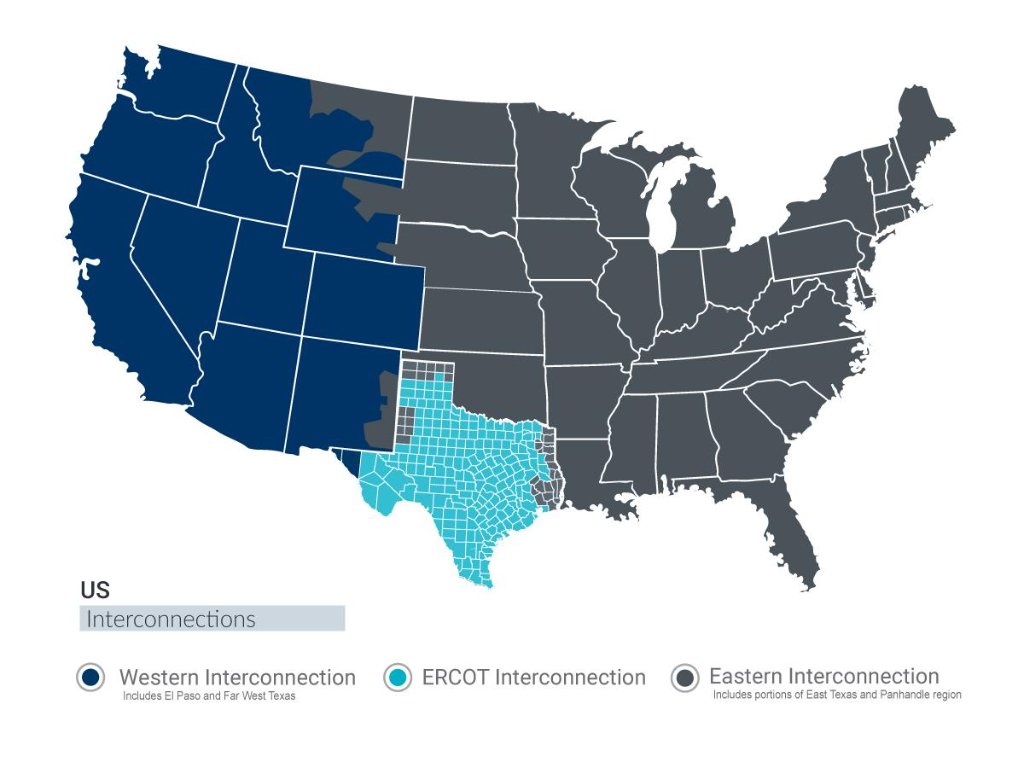
Texas (ERCOT) operates its own independent grid — separate from the Eastern and Western interconnections.
Section 2 — Addressing 2021 Directly
What Happened in 2021 —
And What's Changed Since.
What Happened
- Winter Storm Uri (February 2021) was a once-in-a-generation event
- Temperatures plunged far below historical norms for Texas
- Infrastructure — generators, pipes, equipment — wasn't built for extreme cold
- Grid failure led to widespread outages lasting days in some areas
- It was a genuine crisis — and deserves honest acknowledgment
What's Changed Since
- Texas passed SB 3 — mandatory weatherization requirements for power generators
- ERCOT implemented stricter winter preparedness standards
- Billions invested in cold-weather hardening of gas infrastructure
- Real-time grid monitoring and demand-response programs expanded
- Multiple severe winters since 2021 passed without repeat grid failure
Key Takeaway
What happened in 2021 was real — and it was serious. But it was also a one-time infrastructure failure during an unprecedented weather event, not a pattern of unreliability. The grid improvements since then are significant and measurable.
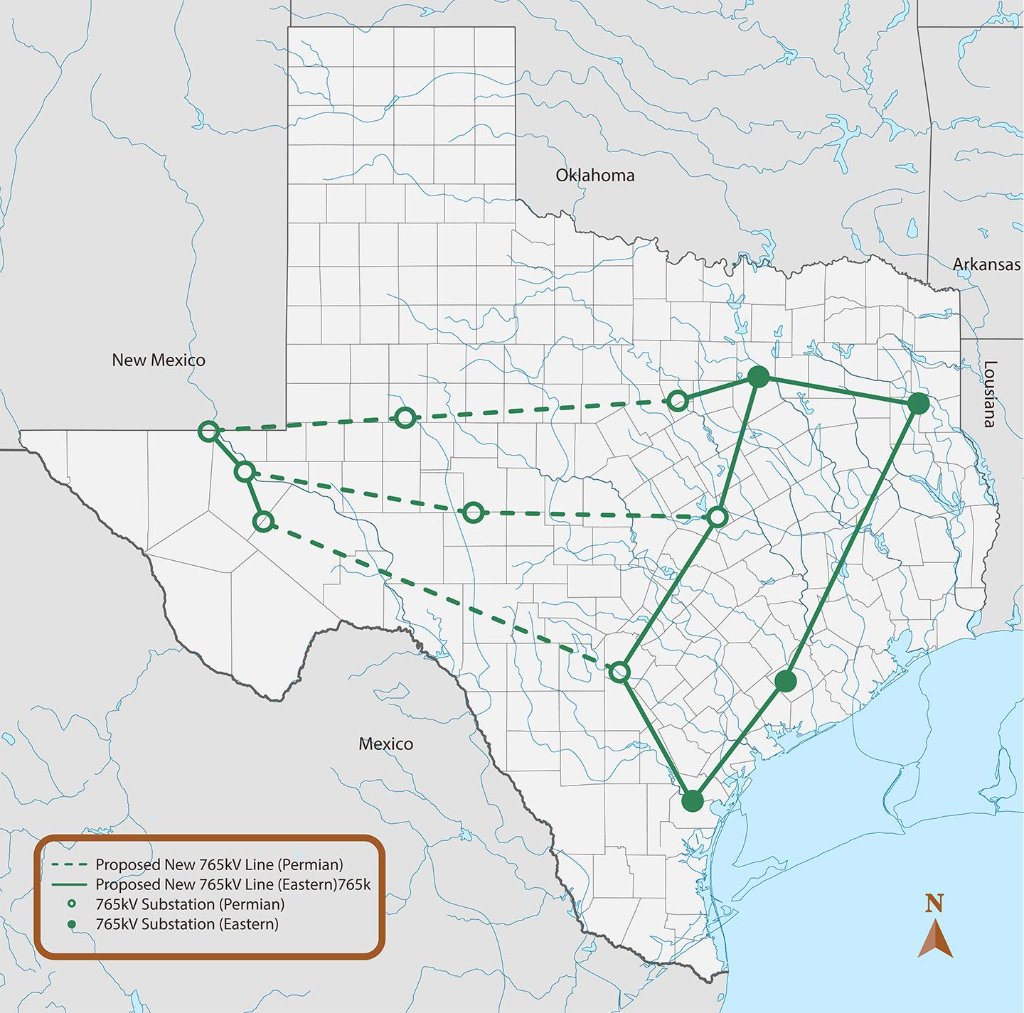
Proposed new 765kV transmission lines currently in development — part of Texas's ongoing grid expansion and modernization investment.
Section 3 — The Real Day-to-Day
What It's Actually Like
Living in Houston Day-to-Day.
Stable for Most Residents
The everyday experience for Houston residents is reliable power. Outages are infrequent and typically short-lived.
Weather Is the Main Variable
Hurricanes and severe thunderstorms cause the most outages — same as coastal and storm-prone cities nationwide.
Heat Drives Summer Demand
Peak summer demand is high. Texas manages this with demand-response programs. High usage can mean higher bills, not outages.
"It's not perfect — but it's manageable and predictable."
Houston's power situation is similar to many major cities: reliable under normal conditions, with weather being the primary risk factor.
Section 4 — This Is Unique to Texas
You Choose Your Electricity Provider.
That's a Big Deal.
Unlike most states, Texas has a deregulated electricity market. You pick your own provider, plan, and rate structure.
Plan Types Available
Fixed Rate
Most PopularLock in a rate for 6–24 months. Predictable bills. Best for most homeowners who want stability.
Variable Rate
Higher RiskRate changes monthly with the market. Can be cheaper — can also spike significantly during high-demand periods.
Renewable Energy Plans
Growing Option100% wind or solar-backed plans available from multiple providers. Often competitively priced.
What This Means for You
✅ The Benefit
You can shop for the best rate. Use PowerToChoose.org (the official Texas comparison tool) to compare hundreds of plans. Smart shoppers can genuinely save hundreds per year.
⚠️ The Trade-Off
You need to choose wisely. Variable rate plans can spike. Auto-renewals onto higher rates are common. Most people should lock in a fixed rate for 12–24 months.
Jeff's Recommendation
Lock in a 12-month fixed rate plan through PowerToChoose.org when you move in. Avoid month-to-month contracts. Set a calendar reminder before your contract ends.
Section 5 — Cost Reality
What Does Electricity Actually
Cost in Houston?
Average Summer Bill
$180–$280
2,000 sq ft home, July–Aug
Average Winter Bill
$80–$140
Mild winters, less AC needed
Annual Average
$1,800–$2,500
Typical Houston household
Rate Range
9–14¢/kWh
Depends on plan + provider
What Drives Your Bill Up
- •Large square footage (4,000+ sqft)
- •Poor insulation or old HVAC system
- •Variable rate plan at peak demand
- •Running AC below 70° in summer
What Keeps Your Bill Down
- •Newer construction (better insulation)
- •Energy-efficient HVAC + windows
- •Fixed rate plan from a competitive provider
- •Smart thermostat + good habits
Section 6 — Smart Buyer Guide
What Smart Houston Buyers Do
About the Grid.
Ask About the HVAC System
Age and efficiency of the AC unit dramatically affects your monthly bills. A 15-year-old unit in Houston is a cost liability.
Prioritize Newer Construction
Homes built after 2015 have significantly better insulation standards, windows, and energy efficiency vs. older builds.
Request Utility History
Ask the seller for 12 months of utility bills. This is the most honest indicator of what you'll actually pay.
Lock In a Fixed Rate Plan
On closing day, visit PowerToChoose.org and lock in a 12-month fixed plan immediately. Don't let your builder pick for you.
Consider a Generator (Optional)
Whole-home generators run $8k–$15k installed. For families with medical needs or work-from-home requirements, it's worth considering.
Explore Solar (Long-Term)
Texas's sun exposure makes solar highly viable. ROI typically 8–12 years. Check HOA restrictions before assuming it's allowed.
Section 7 — Location Matters
How Your Area Affects
Your Grid Experience.
Not all Houston areas are equal when it comes to outage recovery and infrastructure quality.
Urban / Inner Loop
Faster restoration times. Higher grid redundancy. More CenterPoint infrastructure investment. Best grid resilience in the metro.
Established Suburbs
Good infrastructure, moderate restoration times. Well-maintained CenterPoint grid lines. Minor outages after storms.
Outer / Newer Communities
Slightly more exposure during major storms. Newer homes have better efficiency but sometimes fewer redundant lines. Tree-trimming programs vary.
Personalized Guidance
Have Questions About Utilities Before You Move?
Let us know your concerns and we'll give you honest, area-specific guidance.